
Have you ever laid in bed staring at the ceiling, just wishing your brain would turn off? I do that alot. The sun goes down, but my worries seem to wake up. It’s a really helpless feeling, isn’t it? Being asleep means you lose control. You become unconscious and totally defenseless. That is why going to bed has always made humans feel a little bit of anxiety.
I learned recently that this time of day is called the “Vespertine” hour. That’s a fancy Latin word for evening. It’s the time when the visible world gets dark and the invisible stuff—like faith and fear—feels very real. I wanted to learn how to handle this better, so I looked into the history of evening prayers to close your day. It turns out, for thousands of years, people have used prayer as a “technology” to fix the human condition. They needed pardon for the day’s mistakes and protection from the night’s terrors.
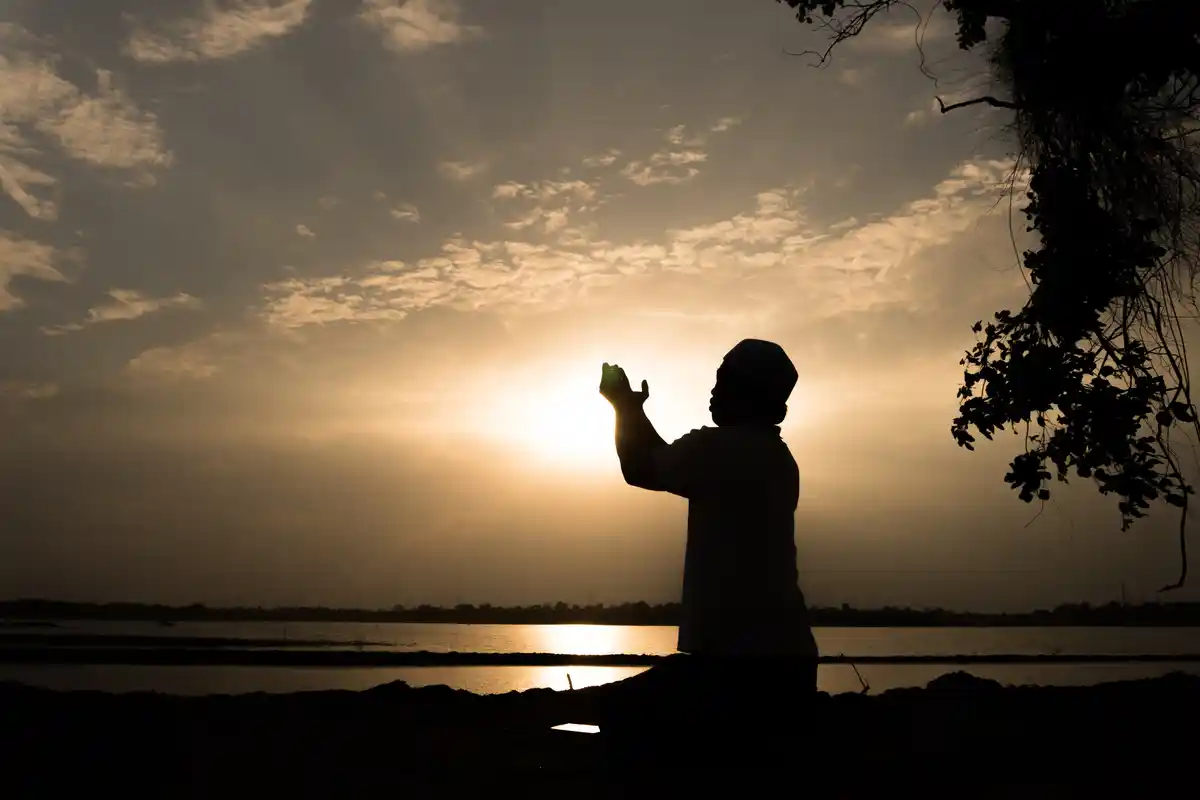
I am not a pro writer, just a regular person trying to figure this out. But I want to share what I found in a simple way. Here are 30 prayers based on the Bible and history to help you rest.
Why we need evening prayers to close your day
Before we get to the list, we have to understand why this matters. We are “diurnal” creatures, which means we are made for the day. The night represents a stop to our agency. When we sleep, we give up. The evening prayer acts like a bridge. It is the way we “close the loops” of our day—the tasks we didn’t finish or the fights we didn’t fix. The church historically called this “Compline,” which means completion. It is a time to bind up the day and give it to God so we can actually rest.
1. The Prayer of Quiet Trust (Psalm 4)
This is a big one in the Western tradition. Psalm 4 is all about moving from being upset to being confident. The writer of the Psalm starts out feeling distressed because people are questioning him. But by the end, he changes. The text says he will “lie down and sleep.” In Hebrew, this suggests a smooth flow. He doesn’t toss and turn. He just goes straight to sleep.
Bible Reference: “In peace I will both lie down and sleep; for you alone, O Lord, make me dwell in safety.” (Psalm 4:8)
Application: Use this when your mind is racing with what people said about you today. It helps you switch from defensiveness to confidence.
Prayer: Dear Lord, my mind is full of noise right now. People have been difficult today, and I feel misunderstood. But I know that You are the one who keeps me safe, not their opinions. I am going to lie down now. I am going to close my eyes. Please let peace come over me immediately. Do not let me toss and turn with worry. You make me dwell in safety, and that is enough for me. I trust You to handle the things I cannot fix tonight. I am turning off my worry and turning on my trust in You alone. Amen.
2. The Prayer to Stop Being Angry
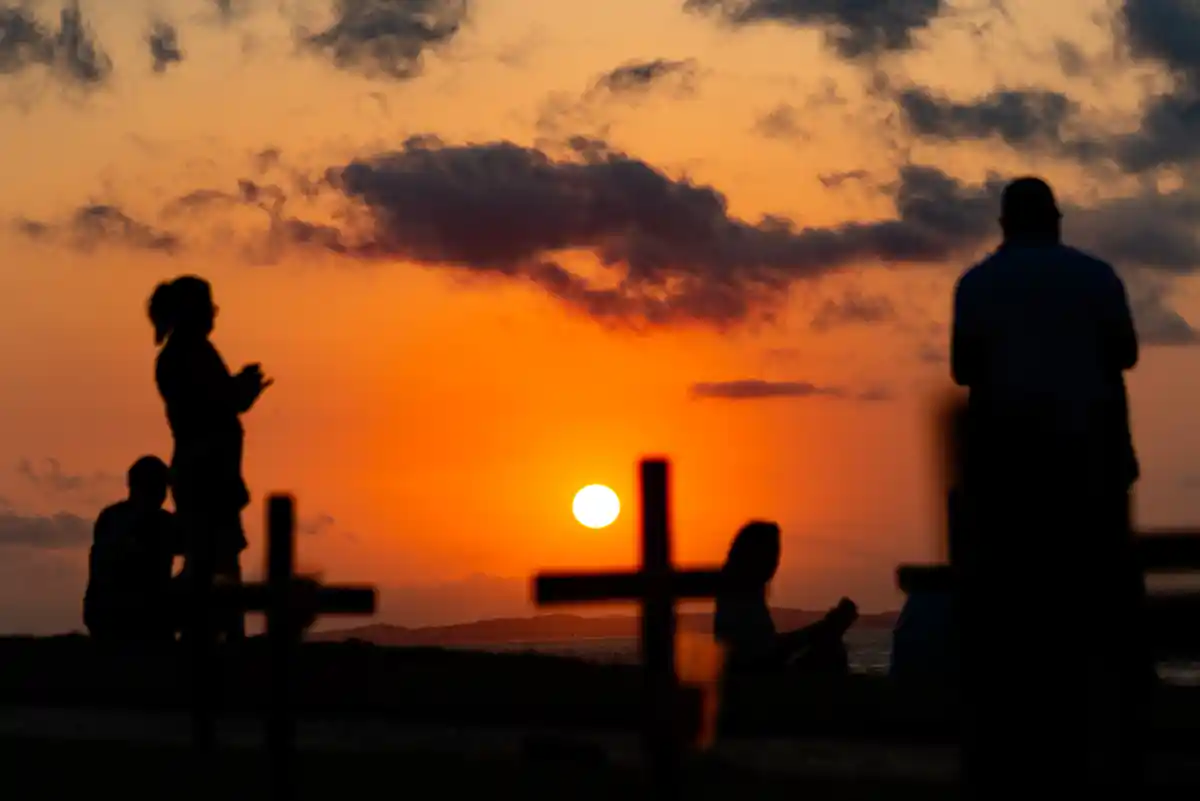
Did you know that Psalm 4 also gives us instructions for the bed? It says to “ponder in your own hearts on your beds, and be silent.” St. Benedict, a very old monk, used this verse to start the “Great Silence.” The bed is a place to look inside yourself, not to obsess over others. The word “silent” here basically means to stop the inner monologue of justifying yourself.
Bible Reference: “Be angry, and do not sin; ponder in your own hearts on your beds, and be silent.” (Psalm 4:4)
Application: This is for when you are replaying an argument in your head. It is a command to shut down the ego.
Prayer: God, I am feeling angry about what happened today. I want to keep arguing in my head to prove I am right. But Your Word tells me to be silent. I am on my bed now. This is not the place for fighting. Help me to stop the conversation in my mind. I choose to be silent before You. I silence my need to be right. I silence my need to win. Please calm my heart so I do not sin in my anger. I give this situation to You so I can rest without this heavy burden on my chest. Quiet my soul, Lord. Amen.
3. The Fortress Against Night Terrors
Psalm 91 is famous for protection. It talks about the “terror of the night.” Back in the old days, this meant sudden violence or night raids. But spiritually, it means bad dreams or dark thoughts that attack us. This prayer treats the sleeper like a soldier in a bunker. You are defenseless, so God becomes your shield and fortress.
Bible Reference: “You will not fear the terror of the night, nor the arrow that flies by day… For he will command his angels concerning you to guard you in all your ways.” (Psalm 91:5, 11)
Application: Pray this when you feel scared of the dark or are worried about nightmares.
Prayer: Heavenly Father, the night feels scary sometimes. I feel vulnerable when the lights go out. But You are my fortress and my shield. I claim the promise that I will not fear the terror of the night. Please build a wall of protection around my bed and my home. I am hiding in You tonight like a soldier in a bunker. Nothing can touch me because You are guarding me. I reject all fear and dark thoughts. They are not allowed here. You are my safety and my strong tower, and I will rest inside Your strength tonight. Amen.
4. The Angelic Guardian Prayer

Both Martin Luther and the Orthodox church talk alot about angels at night. Since we are passive when we sleep, we need an active sentry. An angel is an external guard. Psalm 91 promises that God commands angels concerning us. It is not wrong to ask for this; it shows we know we can’t protect ourselves. It is an act of relying on God’s army.
Bible Reference: “For he will command his angels concerning you to guard you in all your ways.” (Psalm 91:11)
Application: Ask for an angel to stand watch while you are unconscious.
Prayer: O Lord, I am about to become unconscious. I cannot watch over myself or my family. I ask You to send Your holy angels to guard us. Let them stand by my bed and by the doors of this house. Let Your holy angel be with me, so that the wicked enemy has no power over me. I thank You for these invisible helpers. I trust that while I sleep, they are awake and watching. Thank You for caring for me so much that You send heavenly guards to keep me safe. I rest in their protection and Your command. Amen.
5. Joining the Night Watch (Psalm 134)
This is a cool idea. Psalm 134 was written for the Levites who worked the night shift in the Temple. They kept the lamps burning while everyone else slept. When we pray this, we join the “night watch” of the Church. Even if we are alone in our room, we are part of a team that never sleeps—monks, angels, and believers in other time zones.
Bible Reference: “Come, bless the Lord, all you servants of the Lord, who stand by night in the house of the Lord!” (Psalm 134:1)
Application: Use this when you feel lonely at night. Remember you are part of a global group.
Prayer: Lord, as I get ready to sleep, I remember I am not alone. I am joining the night watch. I bless You along with all the servants who are standing in Your house tonight. I think of the believers on the other side of the world who are waking up to praise You. I think of the angels who never stop singing. I am part of this great family. Even though I am closing my eyes, the prayer continues. Receive my worship tonight as I join the universal church in blessing Your holy name. You are worthy of praise day and night. Amen.
6. The Keeper Who Does Not Slumber

Psalm 121 makes a big contrast between us and God. We have to sleep. God never sleeps. He doesn’t even get drowsy (that’s what “slumber” means). Because God is hyper-conscious, we can afford to be unconscious. The universe is safe in His hands without our help. We don’t need to supervise God.
Bible Reference: “He who keeps Israel will neither slumber nor sleep… The Lord is your keeper.” (Psalm 121:4-5)
Application: Pray this to let go of control. Remind yourself the world works fine without you watching it.
Prayer: God, I confess that I like to be in control. It is hard for me to let go. But You are the Keeper who never slumbers and never sleeps. You don’t even take naps! Because You are awake, I can sleep. I don’t need to hold the world together. I don’t need to worry about tomorrow right now. You are watching over everything. I resign from my job as general manager of the universe for the night. I leave it all in Your capable, awake hands. Watch over me and my life while I rest in Your care. Amen.
7. Protection from the Moon
This sounds a bit funny to us, but Psalm 121 says the moon will not strike us by night. Ancient people were scared of “moon-striking” (which is where we get the word lunacy) or the cold night air. Today, we can use this as a “talisman” of protection. It means God’s care isn’t just for the day; it is continuous. It covers all dangers, even the weird ones.
Bible Reference: “The sun shall not strike you by day, nor the moon by night.” (Psalm 121:6)
Application: Use this when you have vague, weird fears about the night or your health.
Prayer: Lord, thank You for covering me day and night. The Scripture says the moon shall not strike me. I ask for protection from all the dangers of the night—sickness, bad dreams, or anything that could harm me. You are the Creator of the sun and the moon. You control the night. I am safe in Your creation. Nothing in the darkness can hurt me because You are the Lord of the night. Keep me safe from the cold and the dark. Let me wake up refreshed and healthy because Your protection never takes a break. Amen.
8. The Nunc Dimittis (Departure)

This is the “crown jewel” of evening prayer. It comes from Simeon in the Bible. He was an old man who saw baby Jesus and said he was ready to depart. Liturgically, “depart” means going to sleep. The day is done. We are dismissed from duty. It signals that we have seen God’s grace in the day, and now we can leave the waking world in peace.
Bible Reference: “Lord, now you are letting your servant depart in peace, according to your word…” (Luke 2:29)
Application: Say this to officially end your work day. You are off the clock.
Prayer: Lord God, just like Simeon, I have seen Your goodness today. Now, let Your servant depart in peace. My shift is over. I am done with my work. I release all the tasks and duties of this day. I am not an employee right now; I am Your child resting. You have promised peace to those who trust You. Let me leave the waking world and enter the world of sleep with a quiet heart. I am ready to rest because I have seen Your salvation. Dismiss me to my bed in perfect peace, O Lord. Amen.
Historical prayers for the evening
We can learn alot from how people prayed in the past. They saw the evening as a very special time.
9. The Practice for Death
This sounds morbid, but it is actually hopeful. The church has always linked sleep with death. Sleep is like a “brother of death.” We lie down, close our eyes, and become unconscious. By doing this every night, we practice for the final letting go. If we can trust God with our sleep, we can trust Him with our death. It helps us lose the fear of dying.
Bible Reference: “For to me to live is Christ, and to die is gain.” (Philippians 1:21) – concept based on Nunc Dimittis
Application: Pray this to overcome the fear of death and practice surrender.
Prayer: Lord, tonight I lie down in my bed, which reminds me that one day I will lie down in the grave. I am not afraid because You are with me. Teach me to live so that I dread the grave as little as my bed. I practice letting go of my life tonight. I give up my possessions, my body, and my spirit into Your hands. If I should wake up, I will praise You. If I should not wake up, I will be with You. Either way, I am safe. I rest in the hope of eternal life. Amen.
10. The Lucernare (Lighting the Lamps)
In the early church, they had a service called “Lucernare” when the sun went down. They would light lamps and give thanks for the light. They sang a hymn called Phos Hilaron (“O Gladsome Light”). It was about being thankful that God provides light even when the sun goes away.
Bible Reference: “The Lord is my light and my salvation; whom shall I fear?” (Psalm 27:1)
Application: Do this when you turn on your bedside lamp. Thank God for the light.
Prayer: O Gladsome Light, Jesus Christ. The sun has gone down, and I see the evening light. I sing praises to Father, Son, and Holy Spirit. Thank You for the artificial light that comforts me in the dark. Thank You that even though the world is dark, You are the Light of the World. You never fade away. As I switch on this lamp, I remember that You are shining in my heart. Keep the darkness of sin away from me. Let Your light shine inside me all through the night. I glorify You at all times. Amen.
Shutterstock
11. Binding Up the Day (Compline)
Monks in the 4th century invented “Compline.” They needed a prayer right before falling asleep to consecrate those last moments. It is a prayer of completion. It binds up the day as a finished offering. Whether the day was a success or a total failure, we offer it to God as a “finished oblation.” We can’t carry it anymore.
Bible Reference: “It is finished.” (John 19:30) – Theological application of completion
Application: Use this to mentally “box up” your day and hand it to God.
Prayer: Lord, this day is now done. It is complete. I cannot add anything to it or take anything away from it. I offer the whole day to You—the good parts and the bad parts. It is a finished offering. Please take it from me. I do not want to carry the weight of this day into my sleep. I bind up all my work, all my conversations, and all my thoughts, and I give them to You. Let me sleep with a light heart, knowing that You accept my offering. Help me to start fresh tomorrow. Amen.
12. Luther’s Evening Prayer (Family Blessing)
Martin Luther wanted fathers to lead their households in prayer. He wrote a summary prayer that is great for families. It includes thanksgiving, confession, and asking for protection. He designed it to be said “at once” before sleeping so you can go to bed in “good cheer.” It is not heavy or sad; it is trusting.
Bible Reference: “Commit your way to the Lord; trust in him, and he will act.” (Psalm 37:5)
Application: A perfect prayer to say with your kids or by yourself for a cheerful heart.
Prayer: I thank You, my heavenly Father, through Jesus Christ, Your dear Son, that You have graciously kept me this day; and I pray that You would forgive me all my sins where I have done wrong, and graciously keep me this night. For into Your hands, I commend myself, my body and soul, and all things. Let Your holy angel be with me, that the wicked foe may have no power over me. I lay down in good cheer, trusting in Your goodness. You are a good Father to me. Amen.
13. Commending the Spirit
The last words of Jesus on the cross were, “Into your hands I commend my spirit.” This has become the nightly word of the Christian. It is the ultimate prayer of surrender. We are giving our spirit to God for safekeeping. We admit we can’t hold onto our own life.
Bible Reference: “Father, into your hands I commend my spirit.” (Luke 23:46)
Application: Say this as the very last thing before you drift off.
Prayer: Father, I am letting go now. Into Your hands, I commend my spirit. You have redeemed me, O Lord, O God of truth. I place my soul, my mind, and my feelings into Your hands. Hold me safe while I sleep. I trust You with the core of who I am. I am not holding onto anything anymore. I slide into sleep knowing that You have caught me. You are my Redeemer and my Truth. I am safe in Your hands. I give myself to You completely. Amen.
14. The Passionless Passion
This is a deep one from the Eastern Orthodox tradition (St. Antiochus). It asks God to “Enlighten my body with Thy passionless Passion.” This is a paradox. It asks that the power of Christ’s victory (His Passion) be applied to our bodies to stop the sinful “passions” (like lust or anger) while we dream. We want a sleep free from “vain thoughts.”
Bible Reference: “Those who belong to Christ Jesus have crucified the flesh with its passions and desires.” (Galatians 5:24)
Application: Pray this to ask for purity in your dreams and subconscious.
Prayer: Lord Jesus, You suffered on the Cross to free me from sin. I ask You to enlighten my body tonight with the power of Your Passion. Please calm my body and my mind. Take away any bad dreams, evil lusts, or dark thoughts. Let my sleep be pure and holy. I want even my subconscious to be pleasing to You. Neutralize the sinful passions inside me with Your holy power. Let me rest in a way that honors You, free from the enemy’s tricks. Cleanse my mind as I sleep. Amen.
15. The Eschatological Morning
Evening prayer never loses hope. It always looks for the morning. Waking up is seen as a type of Resurrection. When we pray, we ask God to “raise me up at the proper time.” We trust that just as God wakes the sun, He will wake us up—tomorrow morning and on the Last Day.
Bible Reference: “I lay down and slept; I woke again, for the Lord sustained me.” (Psalm 3:5)
Application: Pray this to remind yourself of the Resurrection and the hope of a new day.
Prayer: Lord, I am lying down in the hope of the resurrection. Just as Jesus rose from the dead, I trust You will wake me up. Raise me up at the proper time to glorify You. If I wake up tomorrow, I will praise You. If I wake up in eternity, I will praise You. I am not afraid of the dark because the Morning Star is coming. Thank You for the promise of a new day and a new life. Sustain me through the night and bring me to the morning light with joy. Amen.
Different Church Traditions
Different groups of Christians pray in different ways. It is cool to see the variety.
16. The Catholic “Salve Regina”
In the Catholic tradition, the evening office often ends with a song to Mary, the “Mother of Mercy.” It asks for her prayers and protection. It adds a motherly feel to the night. It is a cry from “poor banished children of Eve” asking for help in this “valley of tears.”
Bible Reference: “Behold, your mother!” (John 19:27) – Application of Mary’s role
Application: If you appreciate the saints, ask for motherly comfort and prayer support.
Prayer: (Based on the tradition) Holy Mother, I ask for your prayers tonight. Turn your eyes of mercy toward me. I am tired and struggling in this valley of tears. Pray for me to your Son, Jesus. Watch over me as a mother watches over her child. I ask for the comfort of knowing I am not alone. Let your prayers be a wall around me. Help me to see Jesus more clearly. Protect me this night from all evil and bring me to the morning safely. Amen.
17. The Orthodox Trisagion
The Orthodox prayers are very repetitive and focus on the Trinity. They say “Holy God, Holy Mighty, Holy Immortal, have mercy on us.” They often repeat “Lord have mercy” 12 or 40 times! This isn’t just babbling; it is about hammering the truth into your heart.
Bible Reference: “Holy, holy, holy is the Lord of hosts.” (Isaiah 6:3)
Application: Use repetition when your brain is scattered. It helps you focus on God’s holiness.
Prayer: Holy God, Holy Mighty, Holy Immortal, have mercy on us. Glory to the Father, and to the Son, and to the Holy Spirit. Lord, have mercy. Lord, have mercy. Lord, have mercy. I repeat this to calm my soul. You are the Holy One. You are the Mighty One. You are the Immortal One. I focus entirely on Your greatness. Clear my mind of all other words. Let this prayer sink deep into my heart as I drift off. Have mercy on me, a sinner, and save me. Amen.
18. The Anglican Collect for Aid Against Perils
This is a masterpiece of English writing from the Book of Common Prayer. It is short, beautiful, and honest about how fragile life is. It asks God to “Lighten our darkness.”
Bible Reference: “For you do light my lamp; the Lord my God lightens my darkness.” (Psalm 18:28)
Application: Pray this when you feel the heavy darkness of depression or sadness.
Prayer: Lighten our darkness, we beseech thee, O Lord. By thy great mercy, defend us from all perils and dangers of this night. I feel the darkness around me, but You are the Light. Push back the shadows. Keep me safe from everything that could hurt me body or soul. I ask this for the love of thy only Son, our Savior Jesus Christ. Be my light in the dark room. Be my comfort in the cold night. Amen.
19. The General Confession
In the Anglican Evensong, they confess that “we have strayed from thy ways like lost sheep.” It is a humble admission. We aren’t perfect. We wandered off today. We followed our own devices and desires. It is good to admit this so we don’t go to bed pretending we are perfect.
Bible Reference: “All we like sheep have gone astray; we have turned—every one—to his own way.” (Isaiah 53:6)
Application: Use this to clear your conscience of the general “wandering” of the day.
Prayer: Almighty God, I admit that I have strayed from Your ways today like a lost sheep. I followed my own desires instead of Your laws. I have left undone those things which I ought to have done, and I have done those things which I ought not to have done. There is no health in me. But You, O Lord, have mercy upon me. Restore me because I am penitent. Forgive my wandering heart. Bring me back to the fold tonight so I can rest near the Shepherd. Amen.
20. The Bed as a Coffin (St. John Damascene)
St. John Damascene has a prayer that asks, “Master, is this bed to be my coffin?” It is a serious question. We never know if we will wake up. This isn’t to make us scared, but to make us real. It reminds us to be ready.
Bible Reference: “Watch therefore, for you do not know on what day your Lord is coming.” (Matthew 24:42)
Application: A sobering prayer to ensure you are right with God before sleep.
Prayer: Master, is this bed to be my coffin tonight? Or will You bring me to another day? I do not know, but You know. If this is my last sleep, I ask for Your mercy. Save me and take me to Your kingdom. If I am to live longer, help me to live better. I leave the timing of my death in Your hands. I am ready if You call me. I am willing if You wake me. I trust You with my life and my death. Amen.
How to pray deeply (Methods)
Finally, here are some methods and specific prayers to help you go deeper.
21. The Ignatian Examen: Gratitude
This is a method from the Jesuits. The first step is Gratitude. You look back over the day to find gifts. Not just big stuff, but small things like coffee or a smile. This changes your memory. It proves God was present.
Bible Reference: “Give thanks in all circumstances.” (1 Thessalonians 5:18)
Application: Scan your day for 3 tiny blessings you missed.
Prayer: Lord, I want to review my day. Show me the gifts I missed. Thank You for the breakfast I ate. Thank You for the sunshine on my walk. Thank You for the friend who texted me. I see now that You were with me in these small moments. I was too busy to notice then, but I notice now. Thank You for being generous to me. My day was full of grace. I fill my mind with these good things as I go to sleep. Amen.
22. The Ignatian Examen: Reviewing Feelings
The next step is to watch the “movie” of your day. Look for “desolation” (feeling drained, angry, anxious) and “consolation” (feeling peace, purpose). Ask God what He was saying in those feelings.
Bible Reference: “Search me, O God, and know my heart!” (Psalm 139:23)
Application: identify one moment you felt drained and one moment you felt alive.
Prayer: Spirit of God, show me the movie of my day. When did I feel drained today? Why did that meeting make me so anxious? What were You telling me? When did I feel alive and peaceful? Thank You for that moment of connection. Help me to understand my own heart. I want to do more of what brings me life and less of what drains me. Teach me through my feelings. I offer these emotions to You now. Amen.
23. Sorrow and Forgiveness
When the review shows you that you messed up—maybe a harsh word or a selfish act—express sorrow. This isn’t beating yourself up. It is just saying sorry to a friend. It heals the relationship.
Bible Reference: “If we confess our sins, he is faithful and just to forgive us our sins.” (1 John 1:9)
Application: Apologize for the specific sin you found in your review.
Prayer: Lord, looking back, I see that I was rude to my spouse today. I was selfish with my time. I am sorry. I don’t want to be that kind of person. Please forgive me. Heal the hurt I caused. I receive Your forgiveness right now. I wash my hands of this guilt because of Jesus. I will not carry this shame to bed. I am forgiven. Help me to be more kind tomorrow. Thank You for loving me even when I mess up. Amen.
24. Grace for Tomorrow
The Examen ends by looking at the calendar for tomorrow. What is coming up? A hard meeting? A temptation? Pray now for the help you need then.
Bible Reference: “Let us then with confidence draw near to the throne of grace, that we may receive mercy and find grace to help in time of need.” (Hebrews 4:16)
Application: Pre-pray for tomorrow’s biggest stressor.
Prayer: Lord, I am looking at tomorrow. I have a really hard task to do. I am worried about it. I ask You right now for the grace I will need then. Go before me into tomorrow. Prepare the way. Give me the right words to say. Give me patience. I trust that when I get there, You will already be there. I don’t need to worry about it tonight because You are already working on it. I leave tomorrow in Your hands. Amen.
25. The Great Silence (Stopping the Noise)
After Compline, monks go into the “Great Silence.” No one talks. We can do this by turning off our phones. This prayer is about committing to silence so God can speak.
Bible Reference: “Be still, and know that I am God.” (Psalm 46:10)
Application: Say this as you put your phone on “Do Not Disturb.”
Prayer: Lord, I am turning off the world now. I silence my phone. I silence the TV. I silence my own voice. I am entering the Great Silence. I want to hear Your voice, which is a still, small whisper. I cannot hear You over the noise of the world. So I shut it all out. Speak to me in the quiet of the night. Let my last thoughts be of You, not of social media. I choose peace over noise. Amen.
26. The Creed (Reaffirming Faith)
In the Orthodox tradition, they recite the Creed (what they believe) every night. This is to reaffirm the faith before the possibility of death. It reminds you of who you are and who God is.
Bible Reference: “I believe; help my unbelief!” (Mark 9:24)
Application: Recite the basics of your faith to ground yourself.
Prayer: I believe in God, the Father Almighty, Creator of heaven and earth. I believe in Jesus Christ, His only Son, our Lord. I hold onto these truths tonight. The world says many things, but I believe in You. This is my anchor. No matter what I feel, this is what is true. I stand on this rock. I go to sleep as a believer, holding onto the cross of Christ. Keep me in this faith until I wake up. Amen.
27. Mutual Forgiveness
This is a beautiful custom. Before bed, ask forgiveness from those in your house. “Forgive me a sinner.” This ensures the sun does not go down on your anger.
Bible Reference: “Do not let the sun go down on your anger.” (Ephesians 4:26)
Application: Say this prayer for the people you live with, releasing all grudges.
Prayer: Lord, I pray for my family. If I have hurt them today, please forgive me. If they have hurt me, I forgive them. I release all grudges. I will not sleep with anger in my heart. Cleanse our home from bitterness. Let us sleep in unity. Bless them and keep them. Restore our relationships while we rest. I choose love over being right. Let peace rule in this house tonight. Amen.
28. Prayer for the “Noonday Demon” (Acedia)
The ancients talked about the “noonday demon” of acedia (spiritual laziness or depression) that lingers into the night. It makes you feel listless and hopeless.
Bible Reference: “Restore to me the joy of your salvation.” (Psalm 51:12)
Application: Pray this when you feel just “blah” or spiritually empty at night.
Prayer: Lord, I feel empty tonight. I have no energy for spiritual things. I feel the weight of sadness. Chase away this spirit of heaviness. Restore to me the joy of Your salvation. Light a fire in my heart again. Do not let me sink into despair. You are the source of life. Fill me up while I sleep. Wake me up with a new purpose and a new energy. I fight this numbness with Your name. Amen.
29. The Prayer of the Body
Sometimes we just need to use our body. The Orthodox make the sign of the cross over their bed. It marks the territory for God.
Bible Reference: “I bear on my body the marks of Jesus.” (Galatians 6:17)
Application: Make the sign of the cross over your pillow and say this.
Prayer: In the name of the Father, and of the Son, and of the Holy Spirit. I mark this bed as holy ground. I mark my body as belonging to Christ. Let this sign of the cross drive away all evil. I seal myself with Your name. I am Yours, body and soul. Let me rest in the shadow of the cross. Keep me safe, Lord. Amen.
30. The Final Surrender
This is the last thought. The absolute end.
Bible Reference: “He gives to his beloved sleep.” (Psalm 127:2)
Application: The final whisper as you lose consciousness.
Prayer: Lord, I am Yours. You love me. You give sleep to Your beloved. I receive this gift. Goodnight, Lord. Amen.
FAQ
Q: Why is it called the “Vespertine” hour? A: It comes from the Latin word vesper, which means evening. It refers to the time when the sun sets and the day turns into night, marking a shift from work to rest.
Q: What if I fall asleep while praying? A: That is actually a good thing! The traditions say that sleep is a way of surrendering to God. If you drift off in His arms, you are safe.
Q: Do I have to say the prayers out loud? A: Not necessarily. St. Benedict said to pray “in silence.” However, sometimes whispering them helps focus your mind if it is racing.
Q: What is “Compline”? A: Compline comes from the word completorium, meaning completion. It is the final church service of the day, designed to complete the day’s business and prepare for sleep.
Q: Why do some prayers talk about death? A: Sleep is seen as a “brother of death” because we become unconscious and helpless. Praying about death helps us practice letting go so we don’t have to be afraid of it.
Q: What is the “terror of the night” in Psalm 91? A: Historically, it meant night raids or violence. Spiritually, it refers to nightmares, demons, or the anxiety that comes when it is dark.
Q: Who are the “Watchers” in Psalm 134? A: Originally, they were Levites guarding the Temple. Today, it refers to monks, angels, and believers in other time zones who are praying while you sleep.
Q: What is the Ignatian Examen? A: It is a method of reviewing your day like a movie to find where God was present (consolation) and where you felt distant (desolation).
Q: Can I just use my own words? A: Yes, absolutely. The “ACTS” model (Adoration, Confession, Thanksgiving, Supplication) is great for spontaneous prayer.
Q: Why do Catholics pray to Mary at night? A: They view her as the “Mother of Mercy” who provides motherly comfort and protection to her children in the “valley of tears.”
Q: What is the “Great Silence”? A: It is a rule from St. Benedict that forbids speaking after Compline. It helps the soul settle down and listen to God instead of people.
Q: Why does Luther talk about the “wicked foe”? A: Luther believed the devil (the wicked foe) attacks us when we are weak in sleep. He asked for angels to protect us from this spiritual attack.
Q: What does “Nunc Dimittis” mean? A: It is Latin for “Now you dismiss.” It is the song of Simeon asking God to let him depart in peace.
Q: Is it okay to pray for protection from “moon-striking”? A: While we don’t fear the moon today, Psalm 121 uses it to mean God protects us from all dangers, even the weird or environmental ones.
Q: How does evening prayer help with anxiety? A: It “closes the loop” of the day. By confessing sins and handing over tasks to God, you stop ruminating and can rest in safety.
Conclusion
I hope these evening prayers to close your day help you as much as they helped me. The research showed me that prayer isn’t just a ritual; it is a sanctuary. When we pray, we transform our beds from places of worry into altars of trust. We admit we are weak, but God is strong. We admit we need sleep, but God stays awake.
Whether you use the structured prayers of the Catholics, the deep repetition of the Orthodox, or the cheerful blessing of Luther, the point is to let go. The night is not a time of terror. It is a time to rest nakedly in the grace of God.