Ever feel like you are supposed to be happy, but your heart is actually heavy? In the church, we call it Gaudete Sunday. That’s a fancy Latin word that means “Rejoice.” But it is weird, right? We are told to be happy right in the middle of a season that is usually about being serious and waiting. It’s like a command to have joy even when things look dark, kind of like John the Baptist sitting in prison. I have been thinking a lot about this because life is hard for many of us right now. We see the rose candle lit on the Advent wreath, and we want that feeling of relief.
Why we need intercessory prayers for this sunday

I am not a professional writer or a pastor, just someone who wants to pray better. I learned that this specific Sunday has a special “twofold character.” It is about getting ready for Christmas, yes, but also about getting ready for when Jesus comes back at the end of time. It is a time to be happy because God is near, even if we feel alone. The readings for this Cycle A year are so powerful. They talk about deserts turning into gardens and prisoners getting free. So, I wrote down these ideas to help us pray. I hope they help you as much as they helped me.
Here are 23 prayer ideas, scriptures, and actual prayers you can use.
1. Adoring the God who Restores
When we start to pray, the best way is to look at who God is. The source text tells us about the “ACTS” model, and the “A” stands for Adoration. For this Sunday, we shouldn’t just say “God you are cool.” We need to adore Him as the Restorer. The prophet Isaiah describes God as the one who makes the desert bloom. This is really important because sometimes our lives feel like a dry wasteland where nothing good grows. But God has the capacity to change that. He doesn’t just watch the desert; He brings life to it. We adore Him because He is stronger than our dry spells.
Bible Verse: “The wilderness and the dry land shall be glad; the desert shall rejoice and blossom; like the crocus it shall blossom abundantly and rejoice with joy and singing.” (Isaiah 35:1-2)
How to pray this: Focus your mind on the power of God to fix broken things. Think about a dry desert and then imagine flowers popping up everywhere. That is what God does. Acknowledge that He is the only one who can bring life where there is death. Don’t ask for anything yet, just tell Him how amazing He is for being a Restorer.
Prayer: “Oh God, You are the amazing Restorer of all things. I adore You because You do not leave the desert dry forever. You are the One who makes the wilderness glad and brings beautiful flowers out of the dusty ground. I praise You because You are powerful enough to bring life to dead places. You are the God of the harvest and the God of beauty. We worship You for Your power to change the landscape of our lives.”
2. Adoring God of Unfailing Joy

There is a specific way the church writes prayers called the “Roman Collect.” It has a structure where we name God, say what He did, and then ask for something. For Gaudete Sunday, we adore God as the “God of Unfailing Joy.” This isn’t the same as just being happy about a present under the tree. This is a defiant joy. It stands strong even when things are bad. We adore God because He commands us to “Rejoice in the Lord always” (Philippians 4:4). He is the source of the joy that doesn’t make sense to the world.
Bible Verse: “Rejoice in the Lord always; again I will say, Rejoice. Let your gentleness be known to everyone. The Lord is near.” (Philippians 4:4-5)
How to pray this: Think about the fact that God is near. That is the reason for the joy. It’s not because your bills are paid or everything is perfect. It is because He is close. Use this prayer to tell God that He is your source of happiness, even if you are having a tough week.
Prayer: “Stir up Your power, O Lord, You who are the source of all true joy. We praise You because You are near to us, even when we feel far away. You are the God of Unfailing Joy who commands us to rejoice not because life is easy, but because You are with us. I adore You for being the steady rock of happiness that does not change when the wind blows or when the world gets dark. You are worthy of all our praise.”
3. Confessing Our Impatience
The “C” in ACTS stands for Confession. To have real joy, we have to be honest about the stuff blocking it. The reading from James chapter 5 talks about patience. It uses the word makrothymia, which means “long-suffering.” I don’t know about you, but I am bad at suffering for a long time. I want things fixed now. Confessing our impatience is important. We often get mad that God isn’t working on our timeline. We treat God like a vending machine instead of a Farmer who knows when the rain needs to come.
Bible Verse: “Be patient, therefore, beloved, until the coming of the Lord. The farmer waits for the precious crop from the earth, being patient with it until it receives the early and the late rains.” (James 5:7)
How to pray this: Be honest. Tell God you are tired of waiting. Admit that you want to rush His plans. It is okay to admit this. The first step to getting better is admitting we have a problem with waiting. Ask forgiveness for trying to be the boss of time.
Prayer: “Lord, I confess that I am not good at waiting. I want my answers right now. I am sorry for being impatient with Your timing. I act like I know better than You. Please forgive me for rushing You and for getting angry when things take a long time. I admit that I lack the long-suffering spirit that James talks about. Wash me clean of my hurry and help me to trust that Your timing is always perfect.”
4. Confessing Our Grumbling

This one hurts a bit. In James 5, it says, “Do not grumble against one another.” When we are stressed and waiting for God to do something, we usually take it out on our family or friends. We start complaining and fighting. This “grumbling” is actually a sin that we need to confess. The scripture says the Judge is standing at the doors! That means Jesus is close, so we should stop fighting. We need to say sorry for the times we let our stress turn into meanness toward our neighbors.
Bible Verse: “Beloved, do not grumble against one another, so that you may not be judged. See, the Judge is standing at the doors!” (James 5:9)
How to pray this: Think about the people you snapped at this week. Did you complain about your boss, your spouse, or your kids? Bring that to God. Confess that the stress of waiting has made you bitter toward others.
Prayer: “Father, I am sorry for grumbling. When things go wrong, I turn against my neighbors and my family. I confess that I have been complaining and causing fights instead of bringing peace. Forgive me for taking my frustration out on the people I love. I know the Judge is at the door, and I want to be found loving others, not fighting with them. Please cleanse my heart from bitterness and complaint.”
5. Confessing We Are Offended by God
In Matthew 11, Jesus says, “Blessed is anyone who takes no offense at me.” He said this because John the Baptist was in prison and Jesus wasn’t breaking him out. John was probably confused and maybe even a bit offended. He expected a warrior Messiah with an axe, but he got a gentle healer. Sometimes we get offended by God because He doesn’t do what we think He should do. We think, “If God loved me, He would fix this.” Confessing this doubt is a huge part of intercessory prayer.
Bible Verse: “And blessed is anyone who takes no offense at me.” (Matthew 11:6)
How to pray this: It is scary to say you are offended by God, but He can handle it. Admit that you are confused by His methods. Admit that you wish He would act differently. This honesty clears the air between you and Him.
Prayer: “Lord Jesus, I confess that sometimes I get offended by the way You work. I want You to fix my problems instantly, and when You don’t, I feel hurt. I am sorry for doubting Your goodness just because I don’t understand Your plan. Like John the Baptist, I have questions. Forgive me for stumbling over Your methods. Help me to trust You even when Your plan is different from mine.”
6. Thanksgiving for the First Fruits
The “T” in ACTS is Thanksgiving. On Gaudete Sunday, our thanks is “eschatological.” That’s a big word that means looking at the end of the story. We thank God for the little signs that the Kingdom is coming. We thank Him for the “first fruits.” Even if the whole harvest isn’t here, we see little sprouts. Maybe you saw someone be kind today. Maybe a sick friend got a little better. These are signs that God is working, and we need to say thank you for them to fight off despair.
Bible Verse: “Go and tell John what you hear and see: the blind receive their sight, the lame walk, the lepers are cleansed, the deaf hear, the dead are raised, and the poor have good news brought to them.” (Matthew 11:4-5)
How to pray this: Look around for small good things. Don’t wait for the big miracle to say thanks. Thank Him for the small signs that He is real and that He is good. This changes our attitude from complaining to gratitude.
Prayer: “Thank You, God, for the signs of Your Kingdom. Even though everything isn’t perfect yet, I see Your hand at work. Thank You for the blind who are seeing and the poor who are hearing good news. I thank You for the small victories I see in my life and in my church. These are the first fruits of Your great harvest. I choose to be grateful for what You have already done while I wait for what You will do.”
7. Thanksgiving for Beauty in Desolation
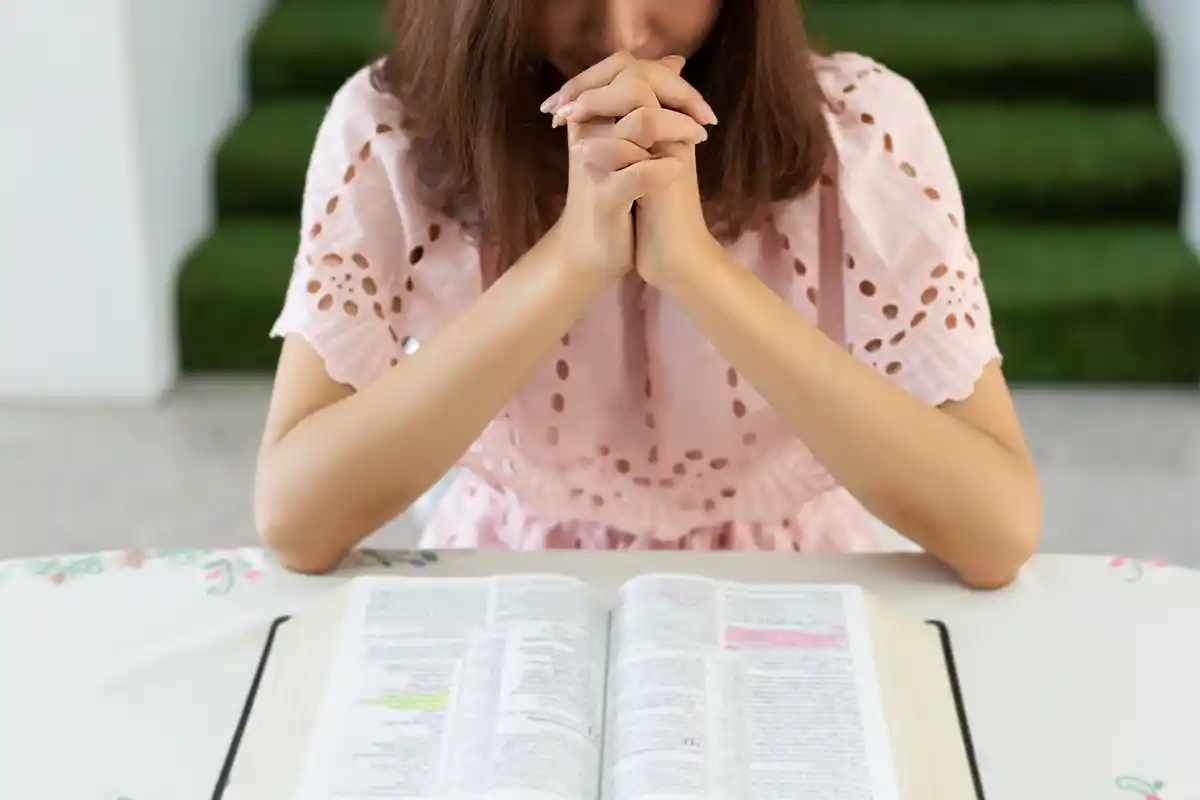
In Isaiah 35, it talks about the “crocus” or the rose blooming in the desert. It also talks about the “glory of Lebanon” (which means big strong cedar trees) and the “majesty of Carmel” (beautiful gardens) being given to the dry places. This is a promise that God brings beauty to ugly places. We should thank God that He doesn’t leave us in the dirt. We thank Him for the beauty of nature, which reminds us of His power to save us.
Bible Verse: “The glory of Lebanon shall be given to it, the majesty of Carmel and Sharon. They shall see the glory of the Lord, the majesty of our God.” (Isaiah 35:2)
How to pray this: Thank God for a specific beautiful thing you saw recently. A flower, a sunset, or a smile. Recognize that this beauty is a gift from God to cheer you up in the “wilderness” of life.
Prayer: “Lord, I thank You for the beauty of the earth. Thank You for making the crocus bloom even in the winter. Thank You for sharing Your glory with us. When I see beautiful things, I am reminded that You are a God of life and not death. I praise You for the majesty of creation that gives hope to my tired soul. Thank You for coloring our world with Your grace.”
Supplication: Asking for What We Need
Now we get to the “S” part—Supplication. This means asking God for help. But we don’t just ask for random stuff. We ask based on the Bible readings for this Sunday.
8. Praying for Deserts to Bloom
This is a prayer for “Restoration Ecology.” That means we pray for the environment and for our communities. There are places in the world that are dry and dead—maybe because of actual drought, or maybe because of poverty and addiction. We pray for the “wastelands” of modern life. We ask God to send His life-giving water to these places so they can become like the Garden of Eden again.
Bible Verse: “For waters shall break forth in the wilderness, and streams in the desert; the burning sand shall become a pool, and the thirsty ground springs of water.” (Isaiah 35:6-7)
How to pray this: Think of a place that is struggling. Maybe a bad neighborhood in your city, or a country with a drought. Ask God to physically and spiritually heal that land.
Prayer: “O Lord, I pray for the dry places in our world. I ask that You would make waters break forth in the wilderness. Please bring life to communities that are destroyed by poverty and addiction. Turn the burning sand of despair into cool springs of hope. Let our cities blossom again with peace and safety. Heal our land, Lord, and make it green and full of life again.”
9. Strengthening Feeble Knees
Isaiah 35 tells us to “strengthen the weak hands, and make firm the feeble knees.” This is for people who are exhausted. Maybe they are tired from working, or tired from being sick. Fear makes our knees shake. We need to intercede for people who feel like they are going to collapse. We ask God to give them strength to keep standing.
Bible Verse: “Strengthen the weak hands, and make firm the feeble knees. Say to those who are of a fearful heart, ‘Be strong, do not fear! Here is your God.'” (Isaiah 35:3-4)
How to pray this: Picture someone you know who is burnt out or scared. Pray that God literally puts strength into their legs and hands. Pray that the fear leaves their heart.
Prayer: “Father, I lift up everyone who is tired today. For those with weak hands and shaking knees, please give them Your strength. Help them to stand up tall. Speak courage into their fearful hearts. Let them know that You are here and You are coming to save them. Do not let them collapse under the weight of their burdens, but hold them up with Your righteous right hand.”
10. Inclusion for the Blind and Deaf
The Bible says the eyes of the blind will be opened and the ears of the deaf unstopped. This is a miracle of healing, but it is also about inclusion. In the old days, disabled people were often left out of the temple. But God wants them included. We pray for a society where people with disabilities are treated with honor. We pray for the “mute” to have a voice in our world. It’s about the whole community getting healed of its prejudice.
Bible Verse: “Then the eyes of the blind shall be opened, and the ears of the deaf unstopped; then the lame shall leap like a deer, and the tongue of the speechless sing for joy.” (Isaiah 35:5-6)
How to pray this: Pray for healing, yes, but also pray that your church and town becomes a place where everyone belongs. Pray that barriers are removed for people who are different.
Prayer: “Lord, we ask for the miracle of inclusion. Open the eyes of the blind and unstop the ears of the deaf. But also, Lord, open our hearts to receive everyone. Let the lame leap for joy because they are welcomed in Your house. Give a voice to the voiceless in our society. May we build a community where every person is valued and no one is left on the outside.”
11. The Highway of Holiness
Isaiah describes a “Highway of Holiness.” It is a safe road where no lions or dangerous beasts can attack. This is a great image for safety. We all want to be on a path where we are safe from evil. We pray that God builds this road in our lives so that we can walk to Him without being destroyed by the “beasts” of sin or violence.
Bible Verse: “A highway shall be there, and it shall be called the Holy Way; the unclean shall not travel on it, but it shall be for God’s people; no traveler, not even fools, shall go astray.” (Isaiah 35:8)
How to pray this: Ask God to protect your spiritual journey. Ask Him to keep the “lions” (temptations, dangers) away from you and your family as you walk toward Christmas.
Prayer: “God, please establish the Highway of Holiness in our midst. Protect us from the lions and ravenous beasts that want to hurt us. Keep us safe from the dangers of this world. Let us walk on Your path where no evil can touch us. Make a clear way for us to come back to You, and keep our feet steady on Your Holy Way.”
12. Safe Passage for Migrants and Refugees
The text talks about the “redeemed” walking on this highway returning to Zion. It reminds us of people today who are traveling dangerous roads—migrants and refugees. They face real lions—traffickers, violence, and cold weather. We must use this Sunday to pray for their safety. We ask God to be their protection when human governments fail them.
Bible Verse: “No lion shall be there, nor shall any ravenous beast come up on it; they shall not be found there, but the redeemed shall walk there.” (Isaiah 35:9)
How to pray this: Imagine families walking long distances to find safety. Pray that God puts them on His Highway where they are safe from harm.
Prayer: “Lord, we pray for every refugee and migrant traveling today. They are the exiles of our time. Please place them on Your Highway of Holiness where no beast can hurt them. Protect them from traffickers and violence. Guide them to places of safety and welcome. Be their shield and their defender as they search for a home, just as You led Your people back to Zion.”
13. Prayer for the “Fools” (Us)
I love this part of Isaiah 35:8. It says, “not even fools shall go astray.” This is such a relief! It means that salvation isn’t about being smart. It is about God’s grace. Even if we are confused or not very bright spiritually, God keeps us on the path. We should pray for those who feel lost or incompetent. We pray that God’s grace supersedes our stupidity.
Bible Verse: “It shall be for God’s people; no traveler, not even fools, shall go astray.” (Isaiah 35:8)
How to pray this: If you feel like you don’t know what you are doing in life, this is for you. Pray that God keeps you on track even when you make dumb mistakes.
Prayer: “Father, thank You that Your way is so safe that not even fools like me can get lost. I often feel incompetent and confused. I don’t always know the right decision to make. Please guide me by Your grace. When I start to wander off, pull me back. I trust in Your ability to lead me more than I trust in my own intelligence. Keep me on the path to heaven.”
Justice Prayers from Psalm 146
The Psalm for this Sunday is Psalm 146. It is a “Hymn of Justice.” It tells us not to trust in princes (politicians) because they can’t save us. Instead, we trust the God of Jacob.
14. Justice for the Oppressed
The Psalm says God “executes justice for the oppressed.” This is a legal term. It means God stands up for people who are being bullied or treated unfairly. We need to pray for people crushed by systemic injustice—racism, unfair laws, or bad bosses. We ask God to step in and make things right.
Bible Verse: “Who executes justice for the oppressed; who gives food to the hungry.” (Psalm 146:7)
How to pray this: Think of a group of people being treated badly in the news. Ask God to be their Lawyer and Judge.
Prayer: “God of Justice, we bring to You all who are oppressed today. For those crushed by unfair systems and those bullied by the strong, we ask You to execute justice. Do not let the wicked win. Stand up for the little guy. Let Your righteousness roll down like waters. Be the defender of those who have no one else to fight for them.”
15. Food for the Hungry
This is simple but urgent. God “gives food to the hungry.” On Gaudete Sunday, we can’t rejoice fully if our neighbor is starving. We pray for food pantries, for soup kitchens, and for actual food to get to hungry bellies. This connects to the “supplication” part of our prayer life.
Bible Verse: “The Lord sets the prisoners free; the Lord opens the eyes of the blind.” (Psalm 146:7-8)
How to pray this: Pray for the hungry in your town. Also, ask God to use you to help feed them.
Prayer: “Lord, You are the provider of daily bread. We pray for the millions who will go to sleep hungry tonight. Please give food to the hungry. Provide resources for food banks and charities. Open our hands to share what we have. Let no one in our community suffer from lack of food while we have plenty. Feed Your people, O Lord.”
16. Freedom for Prisoners
Both Psalm 146 and Matthew 11 talk about prisoners. The Lord “sets the prisoners free.” This can mean people in literal jail. We should pray for them—for their rehabilitation and fair treatment. But it also means spiritual prisoners—people trapped in addiction or depression. We pray for the chains to fall off.
Bible Verse: “The Lord sets the prisoners free.” (Psalm 146:7)
How to pray this: Pray for prison ministry. Pray for someone you know who is “trapped” in a bad habit or situation.
Prayer: “Jesus, You are the chain-breaker. We pray for everyone in prison today—both in jail cells and in the prisons of their own minds. Set the captives free. Release those bound by addiction and depression. Visit those who are lonely in their cells and give them hope. Let Your freedom ring out in the darkest dungeons of our world.”
Learning Patience from James 5
17. The Patience of the Farmer
James 5 uses the “agrarian metaphor” (farming stuff). The farmer waits for the “early and late rains.” He works hard, plows the field, but he can’t make it rain. He has to trust God. This is “active waiting.” We pray for the ability to work hard but trust God for the results.
Bible Verse: “The farmer waits for the precious crop from the earth, being patient with it until it receives the early and the late rains.” (James 5:7)
How to pray this: If you are working on a project or raising kids, you are a farmer. Pray that you can do your part and trust God to send the rain.
Prayer: “Lord, teach me the patience of the farmer. I am working hard, but I cannot make the crops grow. Only You can send the rain. Help me to wait for Your timing. Send the early and late rains of Your Spirit to water the seeds I have planted. Keep me from giving up when I don’t see results immediately. I trust You with the harvest.”
18. Waiting for Employment or Family
Many people are waiting for something specific—a job, a spouse, or a baby. This is a painful waiting. We can use the scripture about the “precious crop” to pray for them. The crop is precious because it takes time. We pray for those in the “season of waiting” that they don’t lose heart.
Bible Verse: “You also must be patient. Strengthen your hearts, for the coming of the Lord is near.” (James 5:8)
How to pray this: Lift up friends who are waiting for a big life change. Ask God to strengthen their hearts so they don’t break while they wait.
Prayer: “Father, I pray for everyone who is in a season of waiting. For those seeking a job, a spouse, or a child, please strengthen their hearts. The waiting is so hard and lonely. Remind them that the crop is precious and worth waiting for. Give them the endurance to keep going. Let them know that You have not forgotten them and that Your answer is coming.”
Dealing with Doubt and Grief
19. For Those Who Doubt (Like John)
John the Baptist sent messengers to ask Jesus, “Are you the one?” He had doubts. If a great prophet like John can doubt, so can we. We pray for people who are having a “crisis of faith.” Maybe they are disappointed with God. We pray they find reassurance, not in arguments, but in seeing God’s love.
Bible Verse: “Are you the one who is to come, or are we to wait for another?” (Matthew 11:3)
How to pray this: Don’t judge the doubters. Pray that they see the “works of the Messiah” in their lives.
Prayer: “Lord, I pray for everyone wrestling with doubt today. Like John in prison, they are wondering if You are really who You say You are. Please answer them gently. Show them the evidence of Your love. Let them see the blind seeing and the lame walking. Comfort their troubled minds and restore their faith. Let them find peace in the midst of their questions.”
20. “Blue Christmas” Prayers
For some, the holidays are sad. We call this “Blue Christmas.” The command to “Rejoice” can feel heavy if you have lost a loved one. We pray for those carrying grief. We ask that they find a space where they can be sad but still feel God’s presence. We validate their “prison” of grief.
Bible Verse: “The poor have good news brought to them.” (Matthew 11:5)
How to pray this: Pray for those who will have an empty chair at the table this Christmas. Ask God to be their comfort.
Prayer: “God of all comfort, we remember those for whom this season is blue. For those grieving the loss of a loved one, the holidays are hard. Please be close to the brokenhearted. Bring good news to the poor in spirit. Let them know that it is okay to cry. Wrap them in Your arms and remind them that the separation is not forever. Be their light in the darkness.”
21. Prayer for Leaders (Reeds in the Wind)
Jesus asked the crowd about John: “What did you go out into the wilderness to look at? A reed shaken by the wind?” (Matt 11:7). He meant John wasn’t a wimp who changed his mind with the breeze. Our leaders today often are. They are swayed by polls and popularity. We pray that our leaders—political and spiritual—would be firm like John, not shaky reeds.
Bible Verse: “What did you go out into the wilderness to look at? A reed shaken by the wind?” (Matthew 11:7)
How to pray this: Pray for your pastor and your government officials. Ask that they have a backbone to do what is right, not what is popular.
Prayer: “Lord, we pray for our leaders. Do not let them be reeds shaken by the wind, bowing to whatever is popular. Give them the courage of the prophets. Help them to stand firm for justice and truth, even when the wind blows hard against them. Make them strong pillars who defend the poor and the widow, rather than weak reeds who only look out for themselves.”
Liturgical Moments
22. The Rose Candle Prayer
On this Sunday, we light the pink (rose) candle. It represents joy. It is a shift from the purple (penitence). We can pray specifically as we light this candle (or imagine it being lit). We ask for the gloom to be dispelled. We ask for a “shaft of light” in our darkness.
Bible Verse: “The desert shall rejoice and blossom.” (Isaiah 35:1)
How to pray this: Visualize the pink candle flame. Imagine it burning away your sadness.
Prayer: “Lord, as we light the rose candle, we ask for Your joy to fill our hearts. The color rose reminds us of the desert blossoming. Please make our dry spirits bloom today. We are tired of the purple gloom of sin; we are ready for the rose light of grace. Let this candle be a sign that Jesus is almost here. Dispel the darkness and let true joy shine in our homes.”
23. Prayer for the Deceased
Finally, we pray for those who have finished the race. The “redeemed shall walk there” (on the Highway to Zion). We believe our loved ones who have died are now on that Holy Way, entering the heavenly Zion where “sorrow and sighing have fled away.” We pray for our eventual reunion with them.
Bible Verse: “And the ransomed of the Lord shall return, and come to Zion with singing; everlasting joy shall be upon their heads; they shall obtain joy and gladness, and sorrow and sighing shall flee away.” (Isaiah 35:10)
How to pray this: Think of someone who died this year. Imagine them walking into Zion with joy.
Prayer: “Father, we remember those who have died and gone before us. We trust that they are now walking on the Highway of Holiness in the heavenly Jerusalem. Sorrow and sighing have fled away from them. They have everlasting joy on their heads. Comfort us with the hope that we will see them again. Until then, keep them safe in Your arms.”
FAQ: Intercessory Prayers for Gaudete Sunday
Here are some common questions about praying on this day.
1. What is the main theme of Gaudete Sunday? The main theme is joy in the midst of waiting. It comes from the Latin word “Gaudete” which means “Rejoice.”
2. Why is the candle pink or rose on this Sunday? The rose color symbolizes a break or “breather” in the serious, penitential season of Advent. It represents the joy that Jesus is near.
3. What is the “ACTS” model of prayer mentioned? It stands for Adoration, Confession, Thanksgiving, and Supplication. It is a structure to help organize your prayers so you don’t just ask for things immediately.
4. Who is the “farmer” in the James 5 reading? The farmer represents the believer who must wait patiently for God’s promises (the rain and harvest) while continuing to work and not give up.
5. Why was John the Baptist in prison in the Matthew 11 reading? He was imprisoned by Herod Antipas. While there, he experienced doubt and sent disciples to ask Jesus if He was really the Messiah.
6. What does “strengthen the feeble knees” mean? It is a phrase from Isaiah 35. It is a call to encourage those who are exhausted, fearful, or physically weak, reminding them God is coming.
7. Can we pray for social justice on this Sunday? Yes, absolutely. Psalm 146 is a key text for this Sunday, and it explicitly talks about God executing justice for the oppressed and feeding the hungry.
8. What is the “Highway of Holiness”? It is an image from Isaiah 35 describing a safe spiritual path provided by God where the redeemed can travel back to Him without fear of danger.
9. What if I don’t feel joyful on this Sunday? That is okay. The “Blue Christmas” concept acknowledges that joy can exist alongside grief. You can pray for God’s presence even in your sadness.
10. What does it mean to be “offended” by Jesus in Matthew 11? It means stumbling over the way Jesus works—specifically that He might not fix our problems the way we expect or as fast as we want.
11. Why do we pray for patience on this day? Because the reading from James 5 warns us that impatience leads to “grumbling” against our neighbors. We need patience to wait for the Lord without fighting.
12. What are the “first fruits” mentioned in prayer? These are the signs of the Kingdom (like the blind seeing) that Jesus lists. They are the initial proof that God is working, even if the full work isn’t done.
13. How does Isaiah 35 relate to disability? It mentions the blind seeing and the lame leaping. Modern theology sees this as a restoration of access and inclusion in the community, not just physical cures.
Conclusion
The Third Sunday of Advent is a special time. It teaches us to hold two things at once: the rose-colored joy of Jesus coming, and the reality that we are still waiting in our own kinds of prisons. I hope these 23 intercessory prayers for this sunday help you find the words to speak to God. Whether you are feeling like the desert or the garden, God is near.